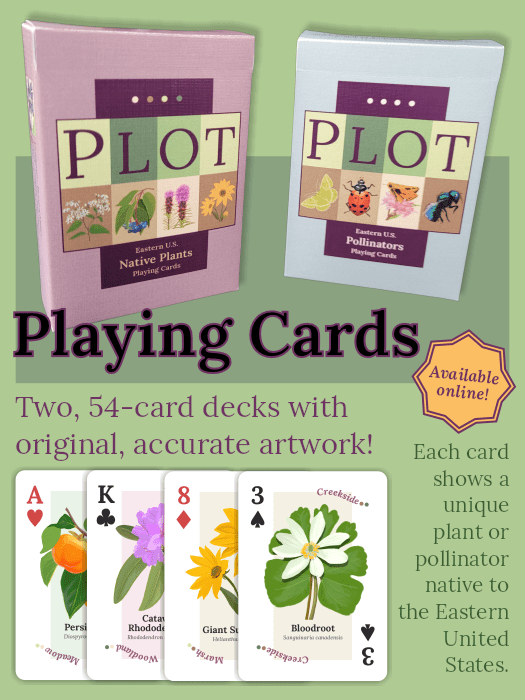
PLOT Playing Cards
The discounted crowd sale is over, but you can still learn about the cards and place an order online at the original price. I will also be selling them locally starting in December or January. More information to come!
Two different, 54-card decks are available:
Native Plants - Each plant is native specifically to the Ridge and Valley region of Virginia, but also to many areas across the Eastern U.S, depending on the species. Suits are organized to contain plants that thrive in similar growing conditions!
Pollinators - The four suits are made up of bees, butterflies, moths, and other pollinators (including hummingbirds, wasps, beetles, lacewings, and flies). If you find yourself in the same region, and you have the host plants and habitat to support them, you could come across any of these incredible creatures. So, keep your eyes open!
All the images are done by Virginia artist Maggie Johnson, and they will also be part of the native planting board game that we are working to develop. You can read more about PLOT the board game, below.
The sale of these playing cards supports our on-going work on the board game project. Thanks for your support!
Please check your spam folder for the first email from Viola Games if you don't see it in your inbox!
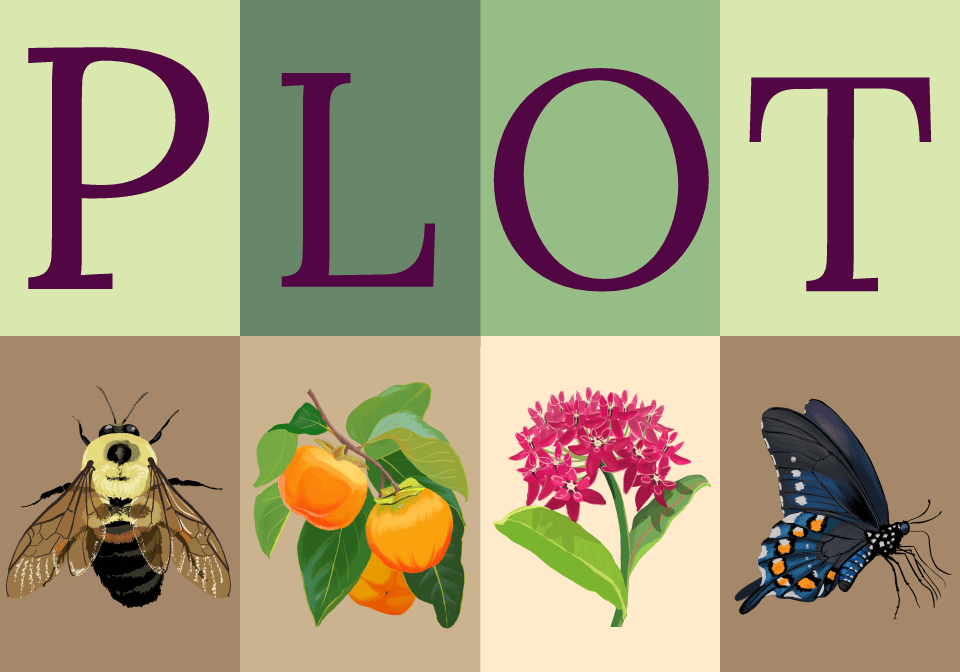
the native planting board game
Plot out the most efficient garden arrangement to attract unique and picky pollinators!
🌻🐛Based on actual plant and pollinator interactions native to the Eastern US 🦋🌳
30-60 min
1-5 players
Age 12+
Sign up for email updates to hear about how the game is developing!
This is the best way to find out when the game will be ready for crowdfunding or purchase!
I promise to only send relevant updates about the game, no spam, although you may need to check your spam folder if my confirmation email doesn't show up in your inbox. My aim is to send updates out monthly.
Thanks for your interest in this project!
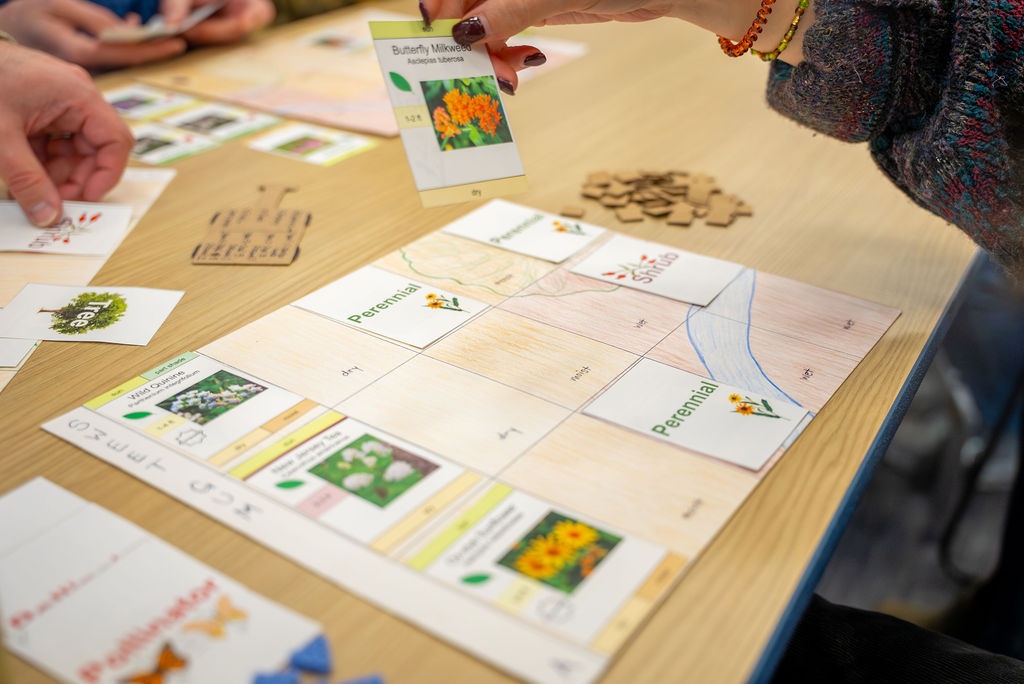
Photo credit: Charlotte Miller
In case you haven't had the chance to try out the game yet, here's the gist-
Each player has a personal garden plot on which to place plant cards. Tackle the puzzle of creating the best possible arrangement to meet your pollinators' goals and maximize your points.
Select the plants you need most from the nursery before someone else takes them. Over the course of four rounds, collect and lay combinations of plants on your garden plot, with consideration for a variety of factors: specific species, plant families, bloom seasons, and fruit production. The pollinators you draw will tell you which of these details are important to them, and how. A second deck expansion, with a completely new set of plants and pollinators, will also include details like plant height, color, and bloom shape. All of these details can be important in order to attract and support pollinators throughout their life-cycles. There is so much to learn while you play!
Each game is a new challenge:
-Start with one of 10 different garden plot layouts
-A small assortment out of more than 60
pollinators will determine your distinct
approach to each game.
-Availability of plants in the nursery
each round is limited.
-The approximately 50 unique native plants have
real-life moisture and light requirements that
restrict where you can place them on your board.
I am also working on some common competitive goals, which will be additional wildlife cards that benefit from the plants and pollinators you are already collecting. Not only are you planting beautiful flowers to enjoy, but you are building a habitat! The winner will be the player with the most pollinator, fruit, and wildlife points. Are you ready to PLOT?
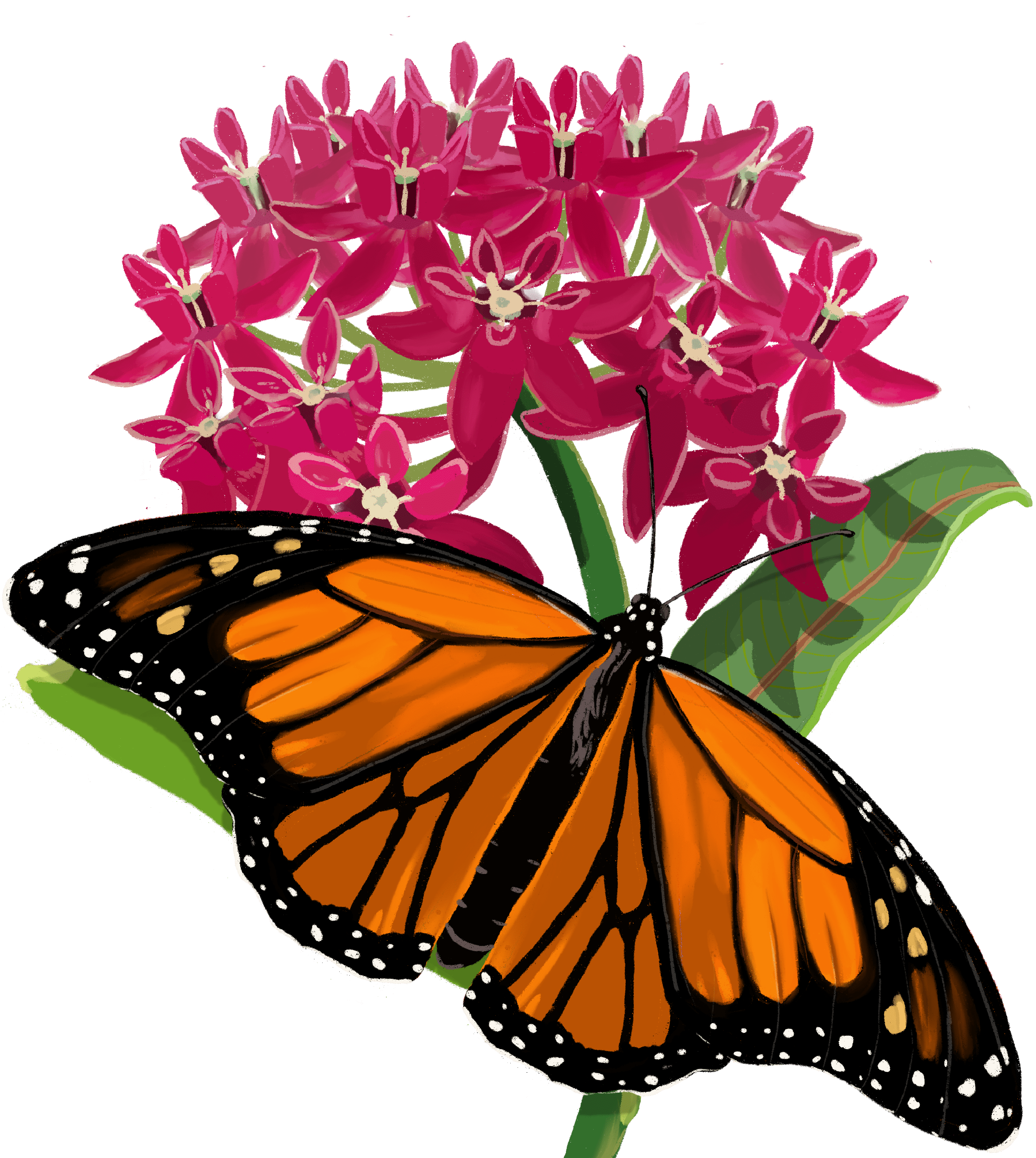
Monarch Butterfly (Danaus plexippus)
on Purple Milkweed (Asclepias purpurascens)
We also have a Facebook group! The first email you receive will include a link to join. We'd love for you to be part of the game development process, or just come to cheer us on!

Check out these plant cards!
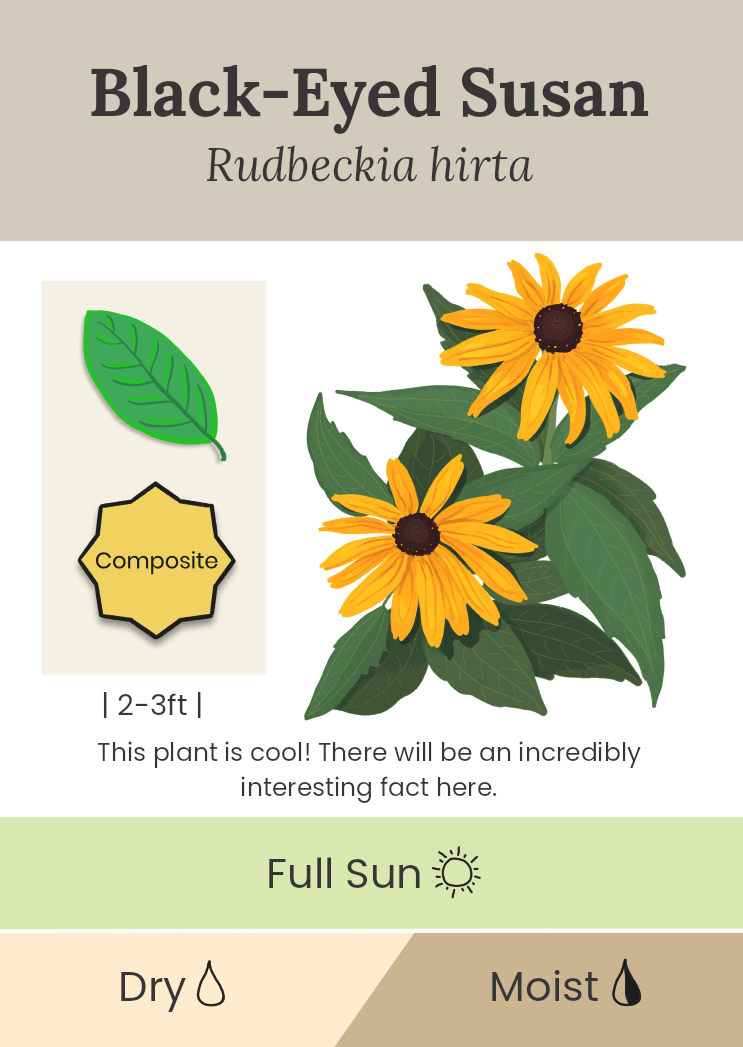
Perennials with brilliant seasonal blooms
Where can you plant these unique natives? Make sure to place this Black-Eyed Susan on a dry or moist space on your garden plot, and in full sun with no overhanging trees.
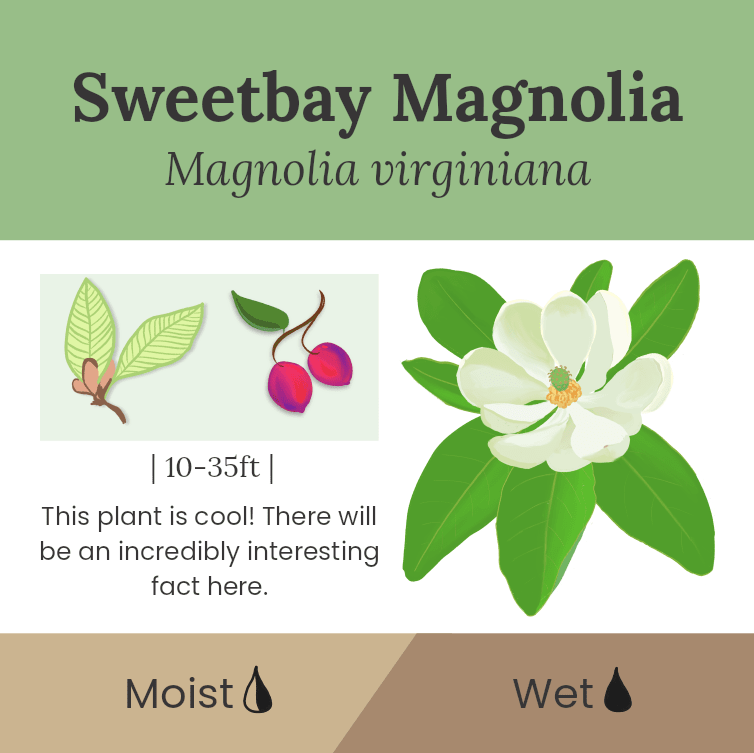
Trees that create shade and produce fruit
Trees are planted on intersections and cast shade on the surrounding spaces, helping create the right environment for you to plant shrubs and perennials that prefer part or full shade.
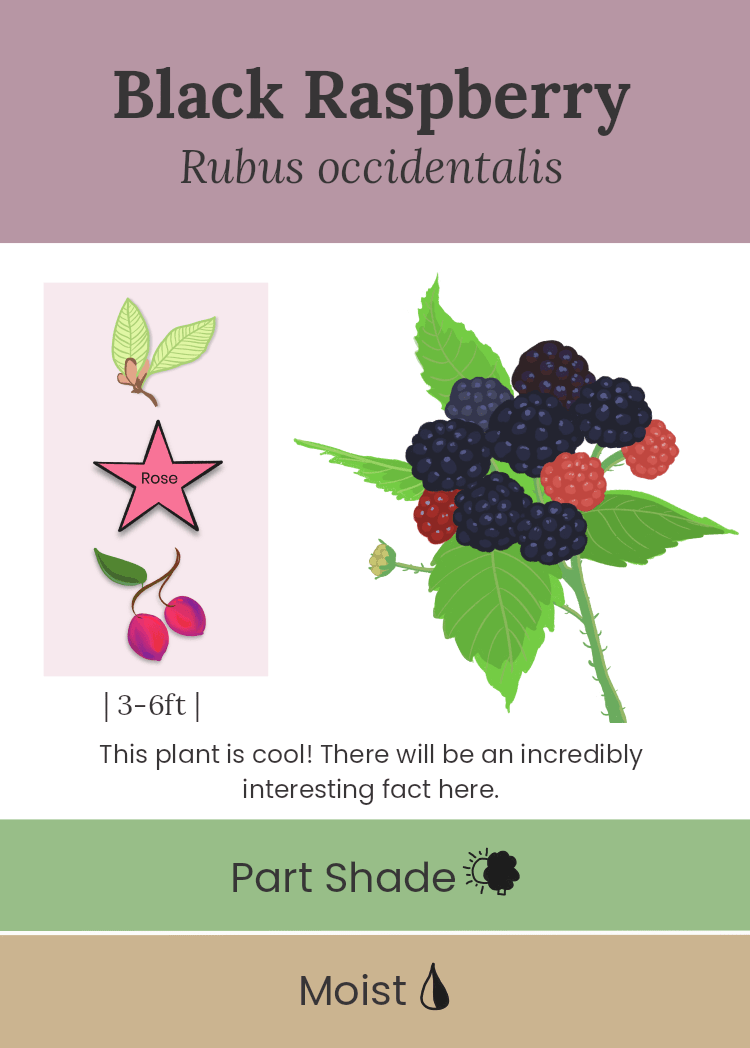
Shrubs that can serve as host plants for specific caterpillars
This Black Raspberry shrub needs partial shade from one tree, as well as a moist soil space on which to plant it. Did you leave the right space for it?
Prototype game in progress...
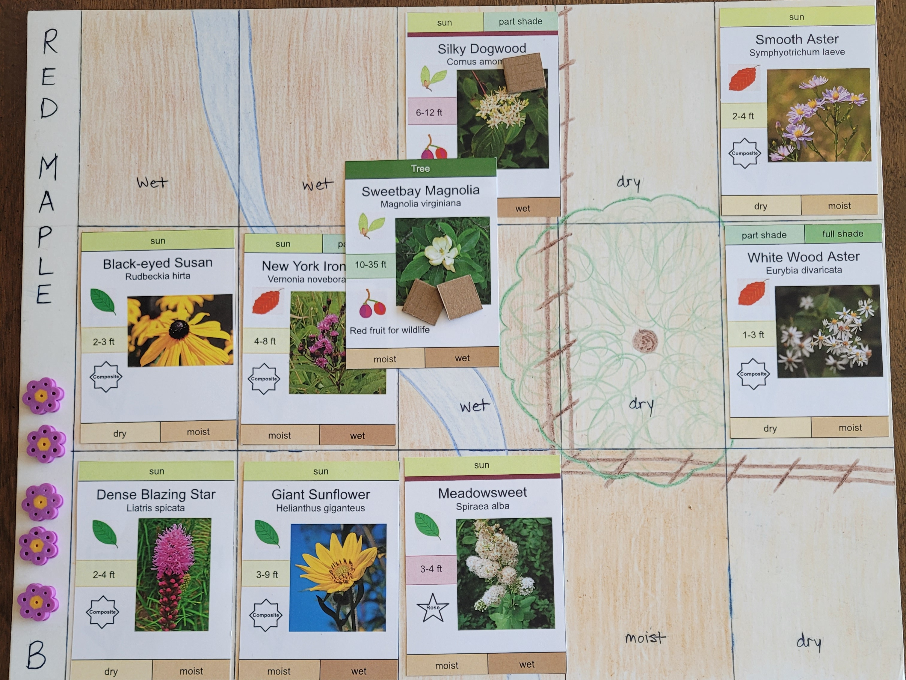
Each garden plot has a unique, 3x5 arrangement of dry, moist, and wet spaces, as well as at least one tree that creates shade.
The finished game box will include:
5 double-sided garden plots, many unique plant and pollinator cards, 25 plant selection tokens (represented here by the small flower tokens), fruit and bee point tokens (represented here by the small cardboard squares), a pad of score sheets, and a nursery wagon to designate the starting player.
Why Natives?
Native plants are the best kind of plants you can put in your own yard! Unlike many commonly-used ornamental plants that have not developed alongside our native pollinators, natives fully support the entire life-cycles of the insects that belong here. Do you know about the native insects that pollinate most of our plants? Most native bees are solitary and highly-skilled pollinators, and many are specialists that require pollen from certain native plants to feed their larvae. Additionally, all of our butterflies and moths start as caterpillars, which need specific native host plants to eat as they grow. The birds you probably enjoy watching in your yard search out oodles of caterpillars in order to raise their young, and the other creatures that live around us also depend on nutrition from well-fed insects and seasonal nuts and berries, as well as shelter from proper habitats that we could provide in our landscapes. These native plants are vital to the health of our ecosystems and our long-term enjoyment of our world!
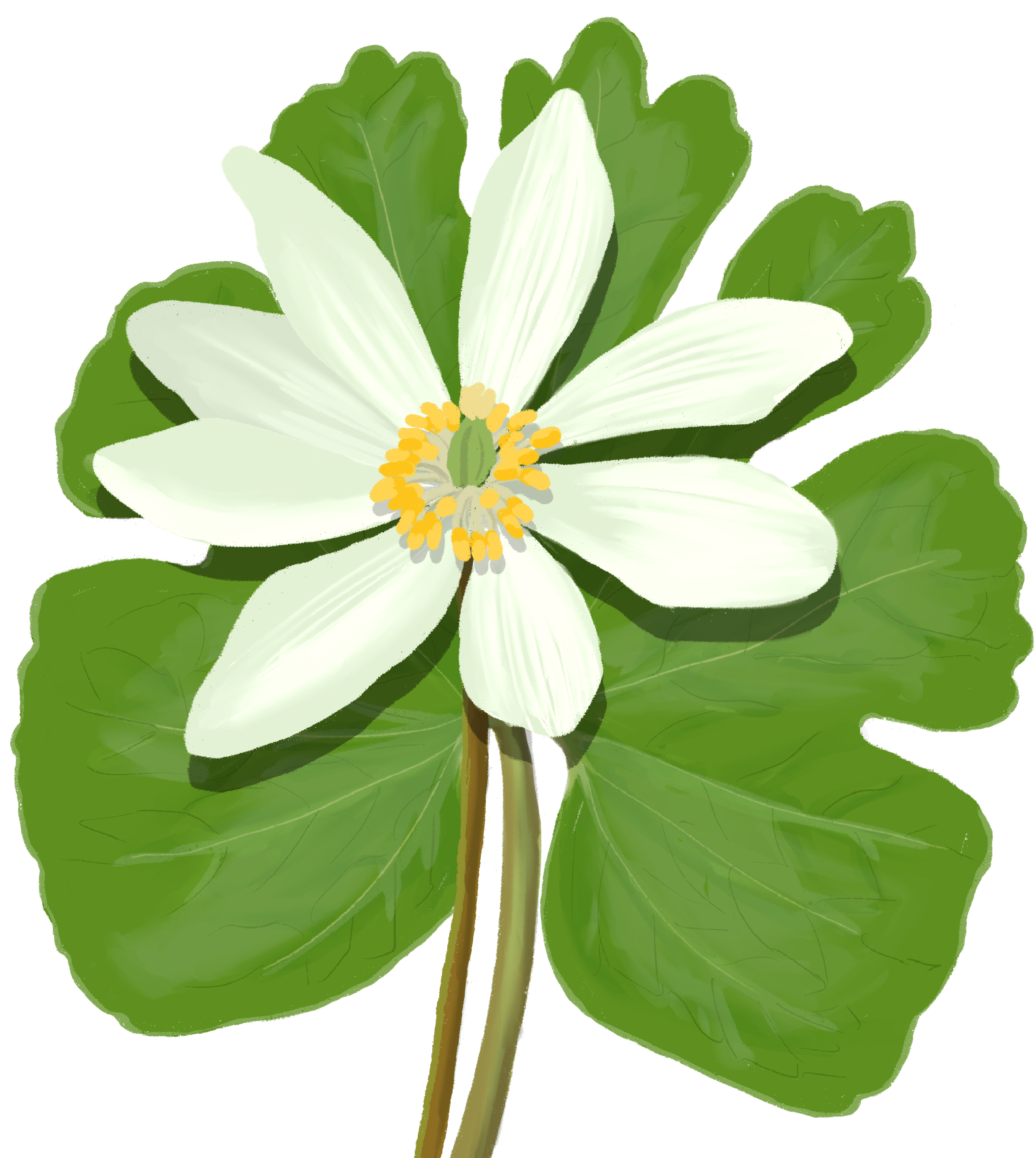
Bloodroot (Sanguinaria canadensis)
Are you already a native plant lover?
Get your game-playing friends interested in native plants too!
Games are a spectacular, low pressure way to introduce new concepts, and enjoy learning things with others.
Host a game night, and soon, your neighbor will be asking you about the Rudbeckia he sees growing in your little meadow. Your mom will be researching where she can find a Fringe tree for her front yard, and your friend will be wondering if she can have some starts from your Virginia Bluebells! You might even notice some early spring Miner bees that you never thought to look for before. What a fun way to share your love of natives, or to become more familiar with how and where your new favorite plant species could grow in your landscape!
How to Play Basics
Set up
Each player starts with a garden plot board, three random pollinator goal cards, and five plant selection tokens. Plant cards are laid out in the center of the playing area to form the nursery (4 trees, 4 shrubs, and 8 perennials). Also place a common pile of bee and fruit point tokens within reach, and lay out the proper number of wildlife goal cards where players can see them.
Four years (rounds) of game play
Each year consists of 4 steps:
1. Gaining additional pollinator goal cards
2. Selecting plants from the nursery
3. Planting your plants
4. Receiving points for fruit and bees
All steps are done simultaneously with other players, except when taking turns during the process of selecting plants from the nursery.
Selecting plants from the nursery
Each player takes a turn selecting one plant from the nursery- using one, two, or three of their five plant-selection tokens to signify the value of the plant they took. Perennials are worth one, shrubs are two, and trees are three. Continue around the circle, each player taking one plant on their turn, until all players have used their total value of five tokens. Refill the nursery after each time around the circle, and completely refresh the cards at the end of each year. A different player will start the selection process next year.
How and where to plant
All players plant at the same time, and once something is planted, it stays, although there are ways to uproot things later if you need to. Perennials and shrubs go on spaces, and must match the moisture and light requirements of the space. Trees go on intersections, and must match the moisture requirements of at least half of the spaces it overhangs. Trees also create shade, so any plants on the spaces adjacent to that tree must be able to handle shade. One tree touching a space = part shade, and two trees touching the same space = full shade. No trees at all = full sun.
Pollinator goals
As you choose plants and decide where to put them, look closely at the pollinator goal cards you have in your hand. Some will require certain plants by name, or they might only need a more general family of plants. Some want plants that bloom only in spring, while others, like bumble bees, need an assortment of species that bloom across multiple seasons. Other cards request arrangements of plants in rows, columns, squares, or contiguous groups. The fun part (in my opinion!) is trying to figure out how each of these goals work together on your plot and how you can plant for them most efficiently! On the other hand, you might prefer a more relaxed approach- go after the plants you want, discard the pollinators that look too hard, and enjoy looking at the beautiful garden you are developing along the way! Low stress gardening, and your hands don't even get dirty!
Pollinator cards are divided into three types of goals -red points, green points, and yellow points.
--Red points: Goals that can be completed once and are worth a static number of points
--Green points: Goals that can be built upon over the course of the game (points per plant card that meets the requirement)
--Yellow points: Each year after meeting this goal, place a bee token on this card. Bee tokens are each worth a point at the end of the game.
Each year begins with receiving several new pollinator cards, so your strategy builds and shifts over the course of the game, giving you new things to work toward.
Fruit
Some trees and shrubs produce fruit, which are worth one fruit point each year after being planted. Place a fruit point token on that plant card at the end of each year. Certain trees and shrubs require two of the same species to be present in order to cross pollinate and produce fruit. These two trees can be on your own plot, or one can be on your next-door neighbor's plot, in order for them both to produce fruit each year. Get your fruit-producing plants early in the game to make the most of their point potential!
Wildlife goals
Remember to keep in mind the common wildlife goals that might help give you an edge over your competitors. These goals are for all players to work toward, and whoever completes a goal first gets the highest points for that card. Wildlife goals may include things like a complete wet habitat (all wet spaces planted), or 4 moth pollinator cards completed.
End of game
The game ends at the completion of the fourth year. Add up your points using the score card to count fruit and bee points, red and green pollinator points, and wildlife points. The player with the most points wins!
How to Play Video

Pollinators you might meet...
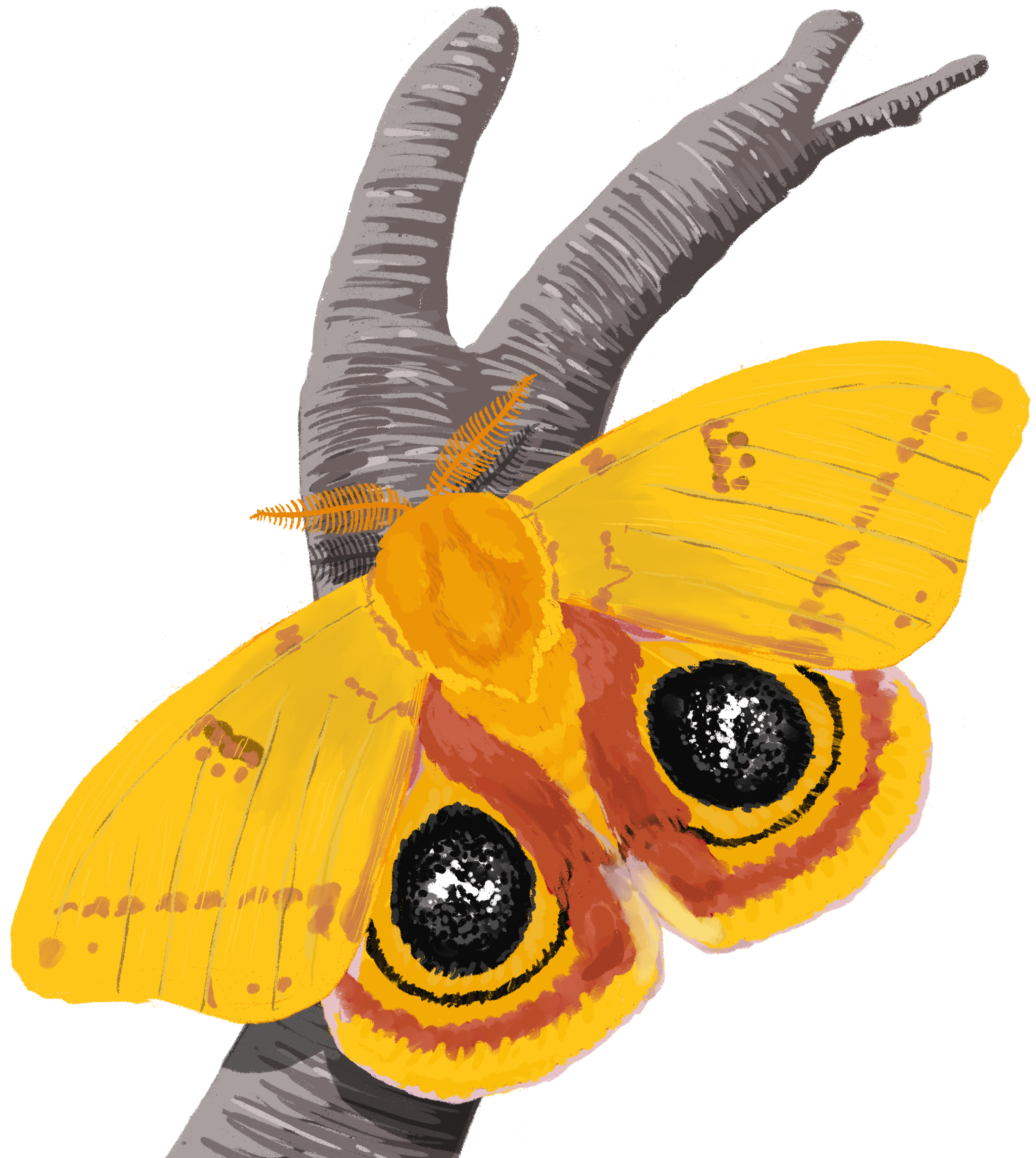
Io Moth
(Automeris io)
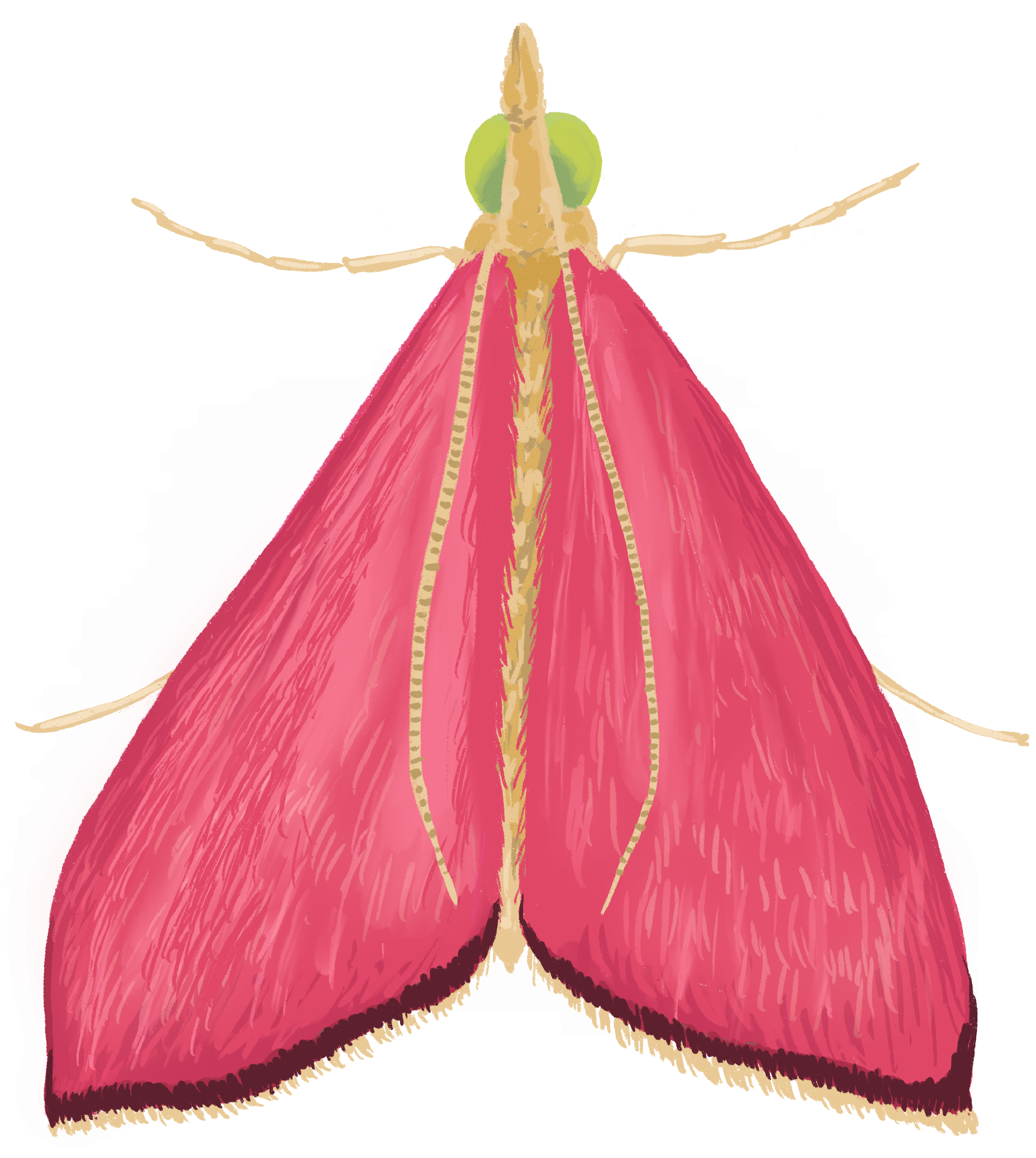
Southern Pink Moth
(Pyrausta inornatalis)
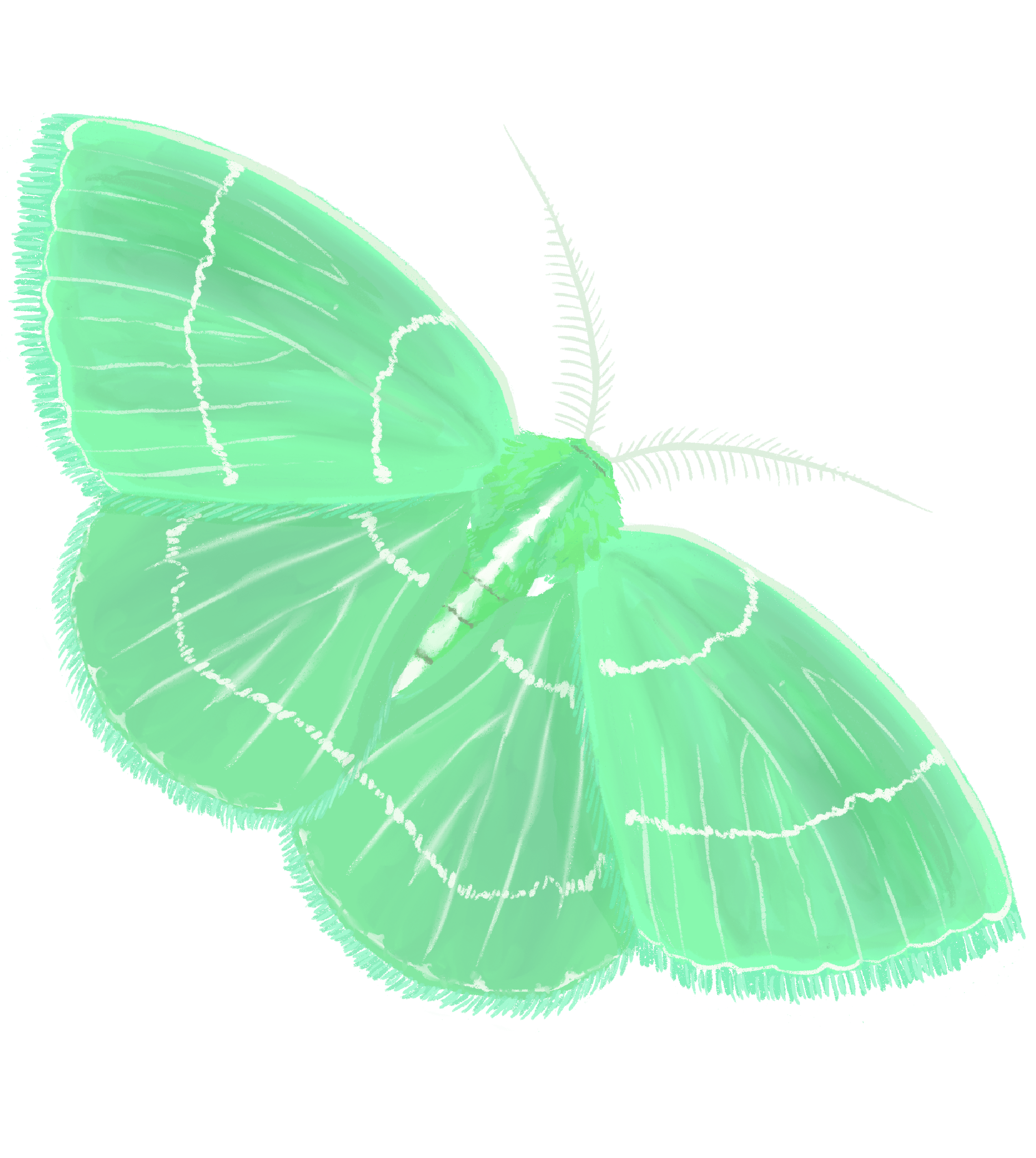
Wavy-Lined Emerald Moth
(Synchlora aerata)
...and some example pollinator cards
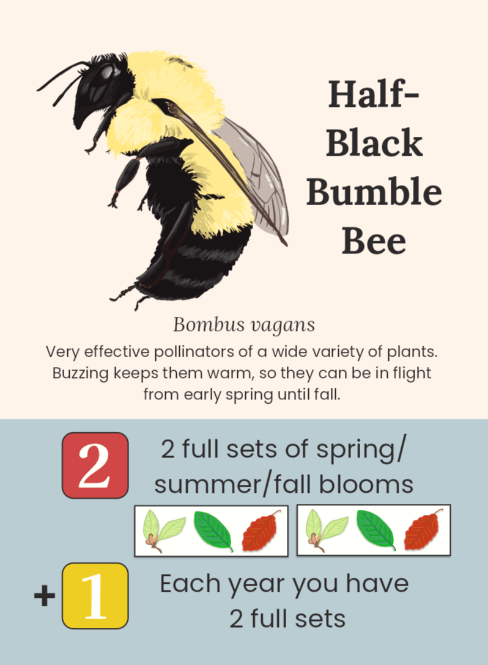
Unique pollinator cards with goals for you to work toward
To attract this bumble bee, plant two plants that bloom in each season and receive 2 red points at the end of the game. Each round after meeting this goal, receive 1 yellow bee point token on this card.
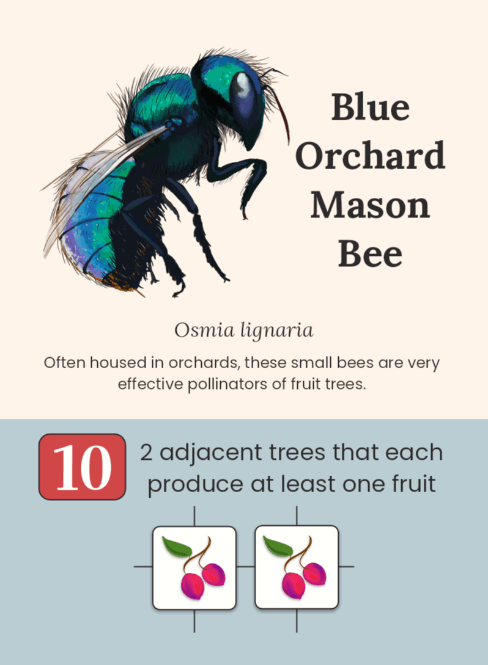
Specialized goals that are accurate to each pollinator's real-life strengths and preferences
This mason bee is a powerhouse pollinator in orchards. Planting two adjacent fruit trees will earn you 10 red points, plus the fruit points you collect over the course of the game.
Meet our team!
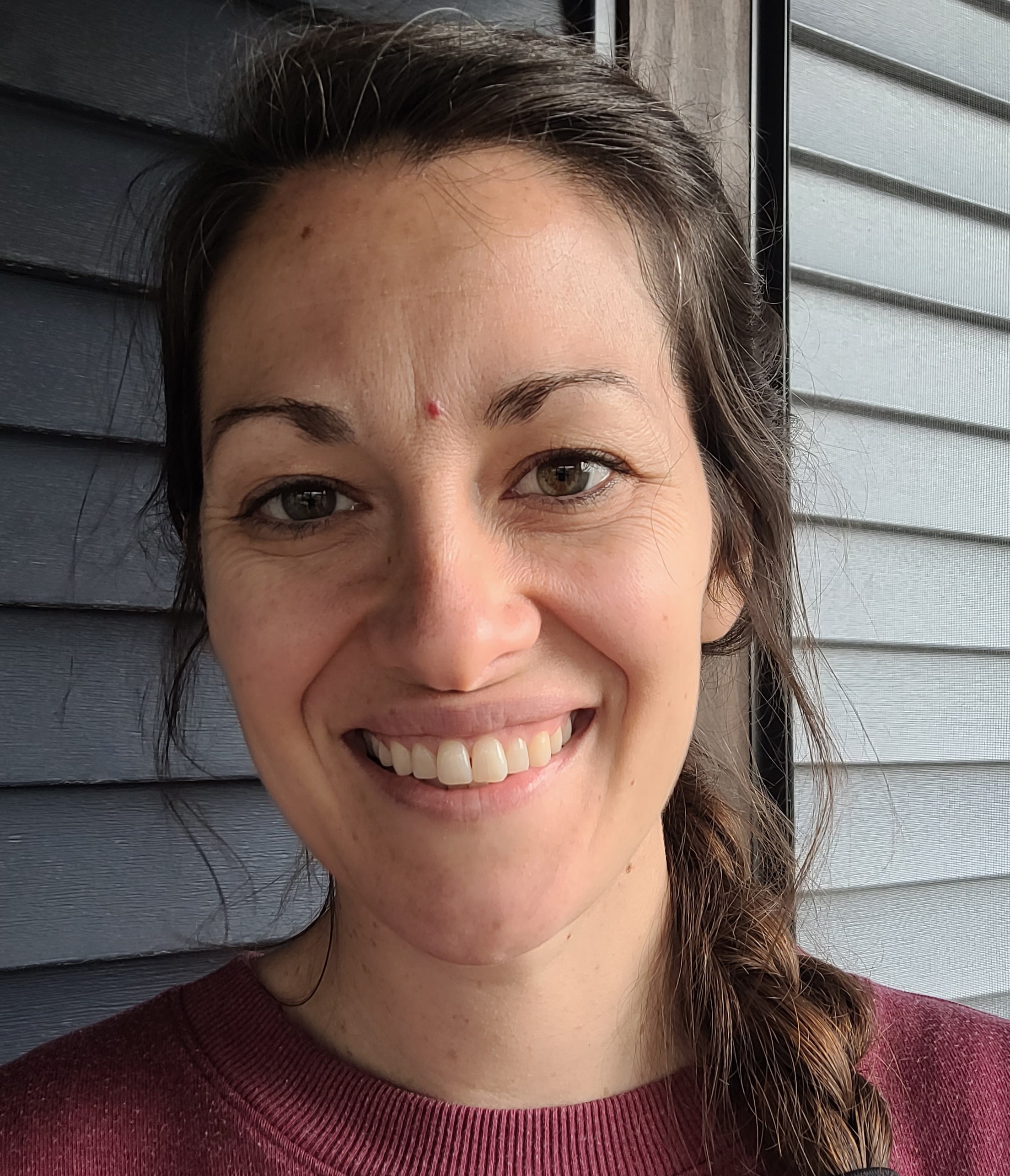
Briana Miller - game designer
Hello! I am the game designer and owner of Viola Games. I am a wife and mom of three, with a degree in nursing (unfortunately not ecology!), and a love for Jesus, plants, games, and music. I have been developing an interest in native plants and pollinators from the ground up since I first learned about them while trying to decide what to plant on my own property in Virginia. Realizing that many people know very little about natives and where and how they grow, I got excited to share my expanding knowledge in an accessible way - via a board game! Inspired one day while playing Wingspan (a game about real bird species), it seemed necessary that a well-designed, strategy board game should also exist to familiarize people with real, native plant species. After a long night awake with a sick kid, and game ideas whirling around in my head, I got up in the morning with the beginnings of PLOT - the native planting game. Many iterations later, it has become a game I love to play, and I am working hard to make it something you will love to play as well!
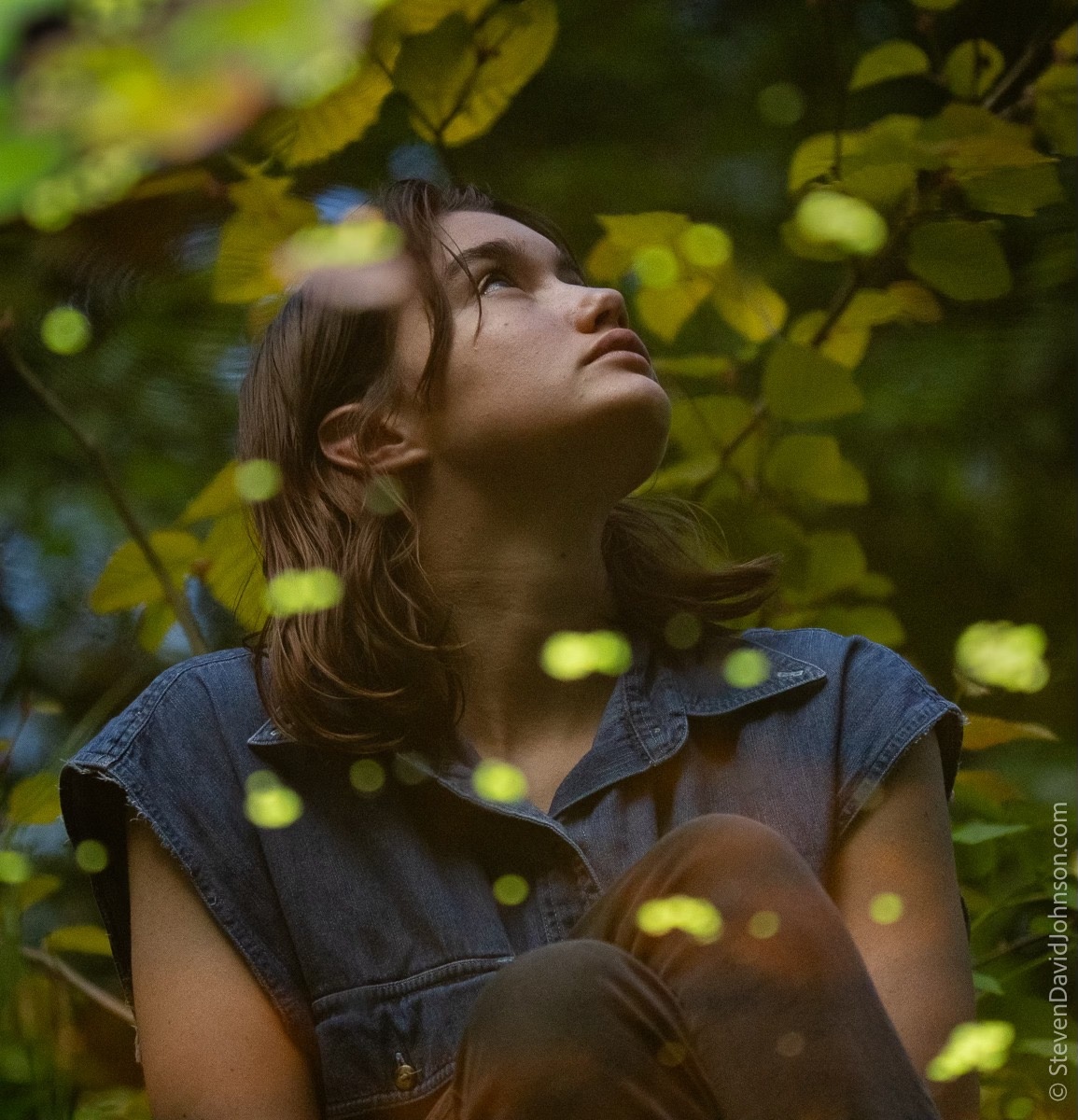
Maggie Johnson - artist
Maggie is a William & Mary graduate (2025) with a BA in Art & Art History. Growing up in the Shenandoah Valley, Maggie spent her childhood wading in the Shenandoah river, wandering through woods, picking plants from her garden or, alternatively, sprawled out on her bedroom floor in a tornado of art supplies. She finds the intersection between her interest in nature and art by using her drawings to inspire people to connect with and learn more about the natural world. When she's not busy drawing plants and animals, Maggie works with people to make their gardens more pollinator-friendly by removing invasive plants and planting native ones. All of the beautiful game artwork displayed on this page is Maggie's original work!
Rulebook in the works!
When the full rulebook is written, you will be able to access it here.
Persimmon tree
(Diospyros virginiana)
Native plant and pollinator info
If you would like more info on native plants or pollinators, this brief list is a good place to start! All of the species in PLOT are native to Virginia, as well as larger portions of the Eastern United States. Natives here can be very different from natives in other parts of the country, so make sure to do research on the right plants for your region.
Backyard Ecology: backyardecology.net/YouTube - A husband and wife ecologist team from Kentucky who put out entertaining and educational YouTube videos and other content.
Virginia Native Plant Society: vnps.org - Blog articles about native plants, local chapter resources, and native plant nursery lists to help you find the plants you are looking for.
Choose Natives: choosenatives.org - Connects gardeners in the mid-Atlantic region to native plants and events near them.
North Carolina Extension Gardener Plant Toolbox:
https://plants.ces.ncsu.edu - A detailed source of information on thousands of plant species!
Homegrown National Park: homegrownnationalpark.org - Find resources and community support to help you turn your property into a native habitat.
Biota of North America Program: BONAP.net/napa - A great North American Plant Atlas! Search any plant by scientific name, and the site will show you a map of the states and counties where it is native.
National Wildlife Federation: nativeplantfinder.nwf.org - Look up any native plant and discover the many pollinator species it supports, or look up a pollinator to find a list of host plants!
Wild Ones: WildOnes.org - A national organization with local chapters that encourages native landscaping via education and advocacy.
Please sign up for email updates if you want to hear about how the game is developing!
This is the best way to find out when the game will be ready for crowdfunding or purchase!
I promise to only send relevant updates about the game, no spam, although you may need to check your spam folder if my confirmation email doesn't show up in your inbox. My aim is to send updates out monthly. Thanks for your interest in this project!
PLOT is a labor of love and a work in progress. It is not my full-time job, but I am working hard on this project so that others can enjoy the experience of planting a native garden, even just on a tabletop. I hope this game will impart bits of knowledge concerning where certain native plants grow best and spark players' interest in how pollinators and their natural host plants depend on each other and seem to have been specially made for each other. I appreciate you and your desire to join me on this journey!
-Briana Miller, game designer
©2026 Viola Games, LLC. All Rights Reserved
Located in Broadway, Virginia, U.S.A.